
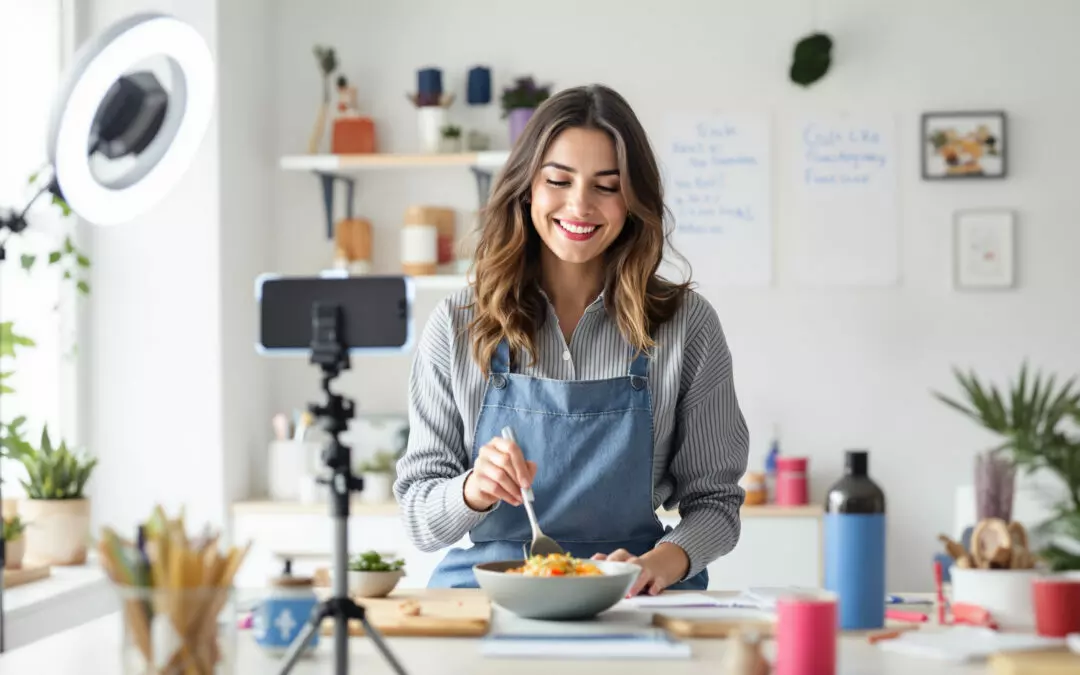
Facebook Creators 2026 are making a comeback for one simple reason: the platform pays better for certain types of long-form content, effectively redistributes Reels already produced elsewhere, and provides access to established communities within groups. TikTok remains strong due to its rapid growth. Instagram retains its influence in the realm of imagery. But Facebook is once again becoming a profitable platform, especially for niches such as family, cooking, DIY, cars, personal finance, local content, and adult lifestyle.
Facebook Creators 2026: The Comeback Isn't Nostalgic
I’ve seen Facebook evolve from a platform where the organic news feed reigned supreme in 2015 to one that many creators wrote off too quickly after TikTok’s rise in 2020. A classic mistake. Meta never really abandoned Facebook: the company transformed it into a machine for video distribution, groups, and multi-format monetization.
The major change, from a creator’s perspective, lies in the nature of the audience. Facebook still has a strong following among 30- to 65-year-olds, with users who comment, share via Messenger, save content to groups, and click more often on pages, events, or offers. Less glamorous, sometimes. More likely to make a purchase, often.
A TikTok Reel can generate a surge of followers within 24 hours. A Facebook post that gets shared widely in three relevant groups can drive sales for a week. The pace is different. For an advertiser, this difference matters: Facebook isn’t just a channel for visibility—it’s a channel for social conversion.
The shift also comes from the Meta ecosystem. Accounts, formats, and audiences circulate more freely between Instagram, Facebook, Threads, Messenger, and connected devices, as our analysis explains on the gradual consolidation of Meta accounts. For a creator who is already active on Instagram, reposting content properly on Facebook is no longer just a side project—it’s a potential source of revenue.
Facebook's monetization is becoming clearer again for creators
The primary motivation for Facebook 2026 creators is money. It’s not just advertising revenue. Facebook combines several revenue streams: video ads, availability bonuses, subscriptions, stars during live streams, brand partnerships, affiliate links, sales through pages, and redirects to newsletters or online stores.
Since 2023 and 2024, Meta has streamlined some of its monetization programs, adopting a more cross-platform approach that encompasses short-form videos, long-form videos, and engagement. The terms vary depending on the country, format, and account history. In reality, the top-performing creators don’t rely on just one Meta program; they combine revenue from the platform, affiliate programs, and sponsored deals.
Honestly, Facebook doesn't reward every type of profile. Content that’s very youthful, trendy, and music-focused often performs better on TikTok. On the other hand, creators focusing on cooking, parenting, real estate, alternative health, crafts, sports for seniors, or administrative advice can find an audience on Facebook that’s willing to watch longer and engage thoughtfully.
Also worth watching: the new publishing tools. Meta regularly tests creation, scheduling, and optimization options that bring Facebook closer to a full-fledged content studio. To track this shift, the article on Facebook's New Publishing Tools in 2026 provides a good starting point.
| Platform | Leading Force in 2026 | A format that works | Typical Monetization | Point of vigilance |
|---|---|---|---|---|
| Adult Audience, Groups, Meta Redistribution | Reels, native videos, live streams, group posts | Video ads, stars, subscriptions, affiliate marketing, sponsorships | Comment Moderation and Reputation | |
| TikTok | Rapid Discovery and Cold Virality | Short videos, TikTok Shop, shopping livestreams | Creator Rewards (based on eligibility), TikTok Shop, brand deals | Reliance on trends and short lifespan |
| Brand image, Reels, social proof | Reels, carousels, Stories, collaborations | Partnerships, Affiliates, User-Generated Content, Indirect Sales | Fierce competition and fluctuating reach | |
| YouTube | Search, long-term revenue, evergreen | Long-form videos, Shorts, live streams | AdSense, memberships, sponsorships, affiliate marketing | Heavier production and a focus on consistency |
| B2B Credibility and Qualified Leads | Expert posts, newsletters, short videos | Consulting, B2B sponsorship, events, training | A tone that was too promotional was quickly met with disapproval from the audience |
Facebook groups remain an underrated tool
Groups are the least glamorous but most strategic option. Since 2018, Facebook has been promoting communities as a response to declining trust in the public news feed. By 2026, a good niche group may sometimes be better than a broader but passive Instagram account.
A creator who runs a group on “batch cooking recipes for families,” “renovating old homes,” or “traveling in a motorhome” is building an asset. Members ask questions, share their results, support the creator, and naturally bring the best content topics to the forefront. The traditional news feed is subject to the algorithm. The group creates regular gatherings.
The beginner’s trap: turning the group into a billboard. Bad idea. On Facebook, a community can sell only after it has first solved real problems. A sponsored post that appears after three weeks of helpful discussions will be better received than a promo code sent out as soon as someone joins.
For advertisers, this is a major difference from campaigns focused purely on reach. In an active group, comments are often more valuable than views. A brand can test a product there, identify objections, gather customer feedback, and build a more credible UGC campaign; our guide on the UGC campaign in 2026 explains precisely this approach to content that comes from the field.
Sharing Content Without Just Mindlessly Copy-Pasting
The return of Facebook creators in 2026 isn’t necessarily tied to additional content production. Many are repurposing existing content. A vertical video originally created for TikTok or Instagram Reels can work on Facebook, as long as the hook, pacing, and context are adapted.
Facebook is more tolerant of videos that are a bit more explanatory. While TikTok often pushes for a hook within the first two seconds, Facebook accepts a clearer premise, especially in practical niche topics. Real-world example: A video titled “3 Mistakes to Avoid When Laying Tile” can work with a more measured introduction if the visuals immediately show the mistake.
A common mistake is reposting a video with a TikTok watermark, illegible text, a trending sound taken out of context, and an empty caption. For several years now, Meta has been prioritizing native content—or at least clean content. Remove the watermarks, rewrite the caption for a more mature audience, add a meaningful question, and then share it on an appropriate page or in a relevant group.
- Export a version without a watermark, in 9:16 aspect ratio, with readable subtitles.
- Change the first three seconds if the hook is based on a TikTok trend.
- Write a problem-oriented caption: “if you’re over 40,” “for a family of four,” “before buying.”
- Post on the page, and then share it in a group only if the content provides a concrete answer.
- Analyze the comments, not just the views: objections become your next posts.
Instagram obviously remains central to this approach. But its feed is becoming increasingly personalized, and reach varies based on interest signals, as shown by our analysis of the Instagram's feed and its algorithm. Facebook then gives a second chance to content that didn't reach its audience the first time around.
An older audience, and therefore more appealing to certain brands
To say that Facebook is “old” is a lazy analysis. Yes, the average age of users is higher there than on TikTok. But for many industries, that’s precisely the appeal: real estate, insurance, automotive, furniture, tourism, healthcare, savings, education, gardening, DIY, and family meals.
Facebook Creators 2026 appeal to advertisers because they reach households that buy, make purchasing decisions, and recommend products. A local micro-creator with 18,000 followers on Facebook can generate more qualified leads than a TikTok account with 120,000 followers if their audience is localized, engaged, and accustomed to commenting. In this local niche, a tight-knit community is sometimes better than vague national virality.
The engagement rate should be interpreted differently. On TikTok, a good views-to-likes ratio signals immediate interest. On Facebook, shares, long comments, private messages, and clicks to an event carry a lot of weight. A post with few likes but 80 detailed comments may be of greater interest to a brand than a Reel with 100,000 silent views.
This approach is part of a broader trend: brands are no longer focusing solely on the sheer size of their audiences. They’re looking at the community’s actual value, the level of trust, and its ability to drive action. This is exactly the topic covered in our analysis on Audience Size and Brands' New Strategies.
Things to Know Before Returning to Facebook
Facebook has its advantages. It also has its drawbacks. Moderation can be time-consuming, especially when it comes to topics like health, politics, money, or parenting. Comments can get out of hand more quickly than on LinkedIn and can derail a campaign if the brand hasn’t prepared clear responses.
Another point: the platform remains dependent on Meta. An outage, an account restriction, or a rule change could halt a campaign in the middle of its run. This isn’t just a theoretical issue; brands managing large budgets know that a Meta incident can block reporting, publishing, and messaging, as our article on The Risks of a Global Outage for Meta's Campaigns.
Brand safety also deserves attention. Some Facebook environments can be toxic, and pages that let everything slide eventually attract negative discussions. A professional content creator should set rules, quickly hide personal attacks, track statistics, and notify the advertiser if a sensitive conversation escalates.
My take: Facebook shouldn’t become your only platform again. It should be treated as a profitable pillar in a social media portfolio. TikTok for discovery, Instagram for visuals and collaborations, YouTube for evergreen content, LinkedIn for B2B, and Facebook for adult communities and smart redistribution.
Action Plan for Creators and Advertisers
Start by reviewing your existing content. Explanatory videos, tutorials, comparison videos, testimonials, and “before-and-after” formats are the best choices for Facebook. Content that’s too heavily influenced by Gen Z trends, on the other hand, should be rewritten or discarded.
As a creator, post for four weeks at a realistic pace: three Reels, one conversational post, one live stream, or one long-form video per week, if your niche lends itself to it. Tie each piece of content to a specific goal: gaining followers, generating comments, making sales, recruiting for a group, or testing an offer.
From an advertiser’s perspective, don’t brief Facebook the same way you would TikTok. Ask the creator for a compelling angle, proof of use, a closing question that prompts responses, and a moderation plan. Measure clicks, messages, meaningful comments, and saves—not just CPM or three-second views.
ValueYourNetwork supports brands and creators by providing real-world insights into social media, formats, and influencer campaigns that actually drive results. Whether you’re an influencer or an advertiser, contact us to grow your social media presence with us.
FAQ on Facebook Creators 2026
Why are creators returning to Facebook in 2026?
They're coming back to monetize in new ways, reach an older audience, and capitalize on groups. Facebook is also used to repost videos already produced for Instagram, TikTok, or YouTube Shorts.
Does Facebook pay creators more than TikTok?
Not necessarily. Facebook can be more profitable in certain adult niches thanks to videos, live streams, subscriptions, affiliate marketing, and sponsors, while TikTok remains very strong for rapid discovery.
What kind of content works best on Facebook in 2026?
Tutorials, practical tips, live streams, testimonials, long videos cut into Reels, and group posts perform well. Content that solves a specific problem is more likely to stand the test of time.
Are Facebook Groups Useful for Influencer Marketing?
Yes, if the community is active and well-moderated. A qualified group can generate product feedback, sales, content ideas, and greater trust than a passive audience.