
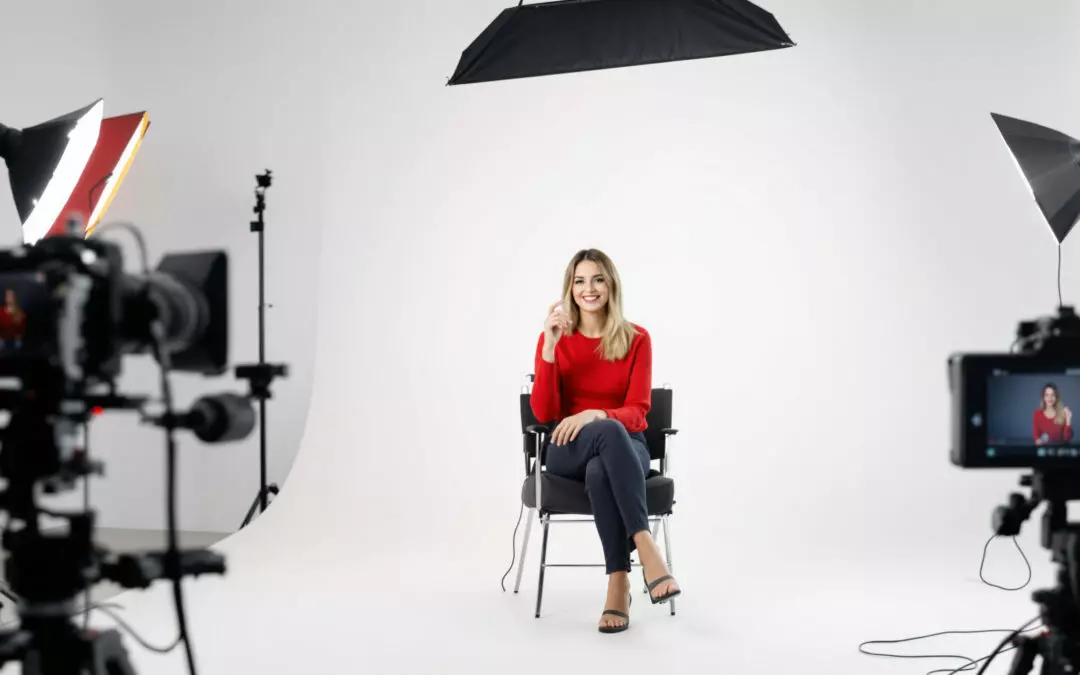
YouTube Creator Shows are YouTube’s answer to premium television: creator-led programs marketed to advertisers as editorial content, featuring seasons, episodes, and exclusive content. For brands, the message is clear: YouTube sponsorship is moving beyond simple video placements and becoming more like TV-style media buying—but with the power of communities and Google data.
YouTube Creator Shows: Why YouTube Is Copying TV Formats
On May 13, 2026, at Brandcast, YouTube unveiled a wave of new and returning YouTube Creator Shows, announced as being available “only on YouTube” through 2027. The lineup says it all: Jesser, Alex Cooper, Kareem Rahma, Quen Blackwell, Trevor Noah, Dude Perfect, Dwyane Wade, and Cleo Abram. Native creators, media personalities, athletes, and hybrid formats.
This isn’t just marketing hype. In January 2026, Neal Mohan, YouTube’s CEO, summed up the year’s priority: “Reinventing entertainment: Creators are the new stars & studios.” This is exactly what we’ve been seeing on the ground for several years now: creators are no longer just audience conduits; they’re becoming producers, hosts, and sometimes even franchises.
The shift also comes from the living room. According to Nielsen, YouTube accounted for 13.5 % of TV viewing in the United States in March 2026, which put it in first place among media distributors that month. And Nielsen had already reported that streaming made up 47.5 % of U.S. TV viewing in December 2025. When YouTube talks to advertisers, it no longer sells just mobile views. It sells large-screen attention time.
This movement is part of a trend that ValueYourNetwork is closely monitoring: YouTube competes directly with television and Netflix, not by completely imitating Hollywood, but by scaling up what creators do better than many studios: building a consistent connection.
Exclusive shows designed for brands, not just for fans
The most interesting new development isn’t the word “show.” YouTube shows have been around for a long time. The real game-changer is how YouTube presents them to advertisers: schedules, episodes, guests, exclusivity, and pre-release sponsorships. Marketing Brew reported in May 2026 that YouTube was working with Kareem Rahma and other creators on content schedules for brand campaigns, using an approach similar to traditional TV advertising.
“Keep the Meter Running,” by Kareem Rahma, premiered on May 13, 2026, with Rahmavision and AND Media listed as producers, and Kareem Rahma and Adam Faze serving as executive producers. “Caddie & The Kid,” starring Ken Griffey Jr. and Michael Collins, had new episodes scheduled for May 14 and June 25, 2026. Trevor Noah was also announced to host a live “World Cup Watch Party” for the summer of 2026 on his channel, in partnership with Day Zero Productions, Religion of Sports, and Mainstay Entertainment.
For a brand, this is more impactful than a one-off campaign in a video. You can tie your message to a format, a season, a sporting event, or a guest. But watch out for the classic pitfall: buying into the prestige of a name without considering how it fits into the community dynamic. Honestly, on YouTube, a big-name star never makes up for a format that’s misaligned with the viewer’s intent.
This shift also reflects the evolution of creative concepts toward structured production. The example of Banijay and Squeezie’s “Stop the Train” concept clearly shows that formats that originated on YouTube can now attract the interest of traditional producers. Creator Shows almost reverse the logic: instead of bringing a concept from YouTube, they bring TV conventions into the YouTube ecosystem.
What Advertisers Should Really Buy at a Creator Show
It would be a mistake to compare YouTube Creator Shows to a traditional TV commercial. A commercial interrupts. A show draws you in. The value lies in the connection with the host, the repeat viewings of episodes, reusable clips, spin-off Shorts, and the authenticity of the integration.
In 2026, YouTube Creator Partnerships—formerly BrandConnect—is introduced as a centralized platform within YouTube Studio, Google Ads, and Display & Video 360. YouTube states that it provides access to more than 3 million creators in the YouTube Partner Program. The message to agencies is clear: creator collaboration is becoming a media product that can be managed, measured, and purchased on a larger scale.
To make a decision, I would consider five criteria before signing a sponsorship agreement for a program:
- Consistency between format and content: a talk show, a competition, and a docuseries do not serve the same purpose.
- The brand's actual role in the episode: mention, integrated segment, challenge, affiliate offer, branding, or live activation.
- The creator's ability to adapt the show into Shorts, Community posts, live streams, and sponsored clips.
- The schedule: episode dates, guests, cultural highlights, sporting events, and product launches.
- Requested metrics: qualified views, watch time, clicks, conversions, search lift, helpful comments.
A practical tip: insist on a distribution plan, not just a script. The best creators know how to launch an episode as a major event and then extend its lifespan with short clips, community engagement, and cross-promotions. To put this into perspective, working with a good Performance-Driven YouTube Analytics Tracking Don't confuse buzz with commercial impact.
Comparison of Formats: TV, Sponsored Video, Creator Show
YouTube Creator Shows straddle three worlds: premium television, traditional creator video, and live social media. It’s this blend that attracts budgets, but it’s also what makes briefs complicated. A brand accustomed to approving a 30-second commercial must accept some of the creator’s voice; otherwise, the format loses what makes it so powerful.
| Format | Purchasing Logic | Main strength | Point of vigilance |
|---|---|---|---|
| Traditional TV commercial | Purchasing advertising space for a program | Fast coverage and a premium experience | Little interaction and often indirect attribution |
| Sponsored YouTube Video | Integration into a single video | Creator Credibility and Affinity Targeting | Subject- and SEO-dependent lifespan |
| YouTube Creator Shows | Sponsorship of episodes, seasons, or promotional campaigns | Recurring posts, storytelling, Shorts and Live features | Need for strong editorial consistency across multiple episodes |
| YouTube Live Events | Live Moment Association | Community Engagement and the Uniqueness of the Moment | Less control, moderation, and precise timing |
The often-overlooked point: connected TV is changing content creation. An episode watched on TV doesn’t have the same constraints as a short video viewed on the subway. The shots are clearer, the pacing is smoother, the sound is polished, and the branding is straightforward. YouTube’s efforts around AI and connected TV are moving in this direction: to better serve lean-back viewing without compromising the creative DNA.
Creators: How to Prepare for This Battle of the Shows
Creator Shows aren’t just about the biggest names. They’re changing brands’ expectations of mid-tier creators. Since 2015, I’ve seen the same pattern at every stage of a platform’s development: first, volume; then, professionalization; and finally, intellectual property. Today, the recurring format is becoming an asset.
If you’re a creator, think “show” before you think “video.” A good show has a simple premise, a recognizable rhythm, distinct segments, a reasonable runtime, and a reason to keep watching. Cleo Abram’s “HUGE* If True,” Brittany Broski’s “Royal Court,” and Dude Perfect’s formats work because viewers quickly grasp the show’s concept.
My opinion: In this niche, a narrow but repeatable concept is better than a broad, vague idea. A short, aptly named six-episode series with a consistent setting and clear structure will often be more marketable than a general-interest show that changes its angle every week. It’s also easier to pitch to a brand.
Get your basics in order before pitching: a clean channel page, consistent thumbnails, well-organized playlists, retention rates by segment, demographic data, and integration examples. The ValueYourNetwork guide for Create and optimize a YouTube channel It remains a solid foundation if your channel needs to transition from a personal platform to a professional showcase.
The Real Risk: Turning YouTube into Soulless Television
The battle for exclusive programming can lead to some excellent formats. It can also result in content that’s too polished, over-curated, and incapable of sparking genuine discussion. That’s the danger when brands want the safety net of TV combined with the authenticity of a creator, but without accepting the creator’s rough edges.
YouTube has announced a feature that lets users organize episodic content into “seasons and shows”—beyond traditional playlists—to improve the TV viewing experience. This is useful. But form isn’t everything. If the show lacks narrative tension, a distinct point of view, or a community eagerly awaiting the next episode, it will remain nothing more than a pretty media showcase.
Another point to watch: the public performance of the new wave of YouTube Creator Shows remains largely undocumented at this stage. Much of the information available in July 2026 consists of announcements or advertiser-focused content. Brands should therefore request robust post-campaign metrics before renewing: watch time, brand lift, traffic, affiliate sales (if applicable), and comment quality.
There is a counterargument: Why pay a lot for a show when a standard sponsored video can convert very well? The simple answer: you’re not paying for the same thing. Sponsored videos are often used for direct engagement. The Creator Show is more about building brand presence, fostering long-term relationships, and creating repeat exposure. Both can coexist in a well-structured YouTube strategy, especially if your YouTube marketing aims to build a targeted audience rather than an isolated spike.
ValueYourNetwork supports creators, influencers, community managers, and advertisers with social media strategies, YouTube activations, and measurable influencer campaigns. Whether you’re an influencer or an advertiser, grow your social media presence with us and contact us to plan your next campaigns.
FAQ About YouTube Creator Shows
What is a YouTube Creator Show?
A YouTube Creator Show is an episodic program hosted by a creator or public figure, designed as a show with a recognizable format, and sometimes sold to advertisers through sponsorships or partnerships.
Why is YouTube launching Creator Shows in 2026?
YouTube wants to strengthen its position in the connected TV market and offer brands premium content created by content creators. The platform is also capitalizing on its influence in the U.S. TV streaming market.
Are YouTube Creator Shows Replacing Traditional Sponsored Videos?
No. They add a more editorial and recurring element. A sponsored video remains relevant for a targeted campaign, while a Creator Show is better suited for long-term brand association.
How can a brand sponsor a Creator Show?
A brand can go through YouTube’s advertising offerings and creator partnerships, or work directly with the creator’s teams. The brief should specify the brand’s role, the episodes involved, and the success metrics.