
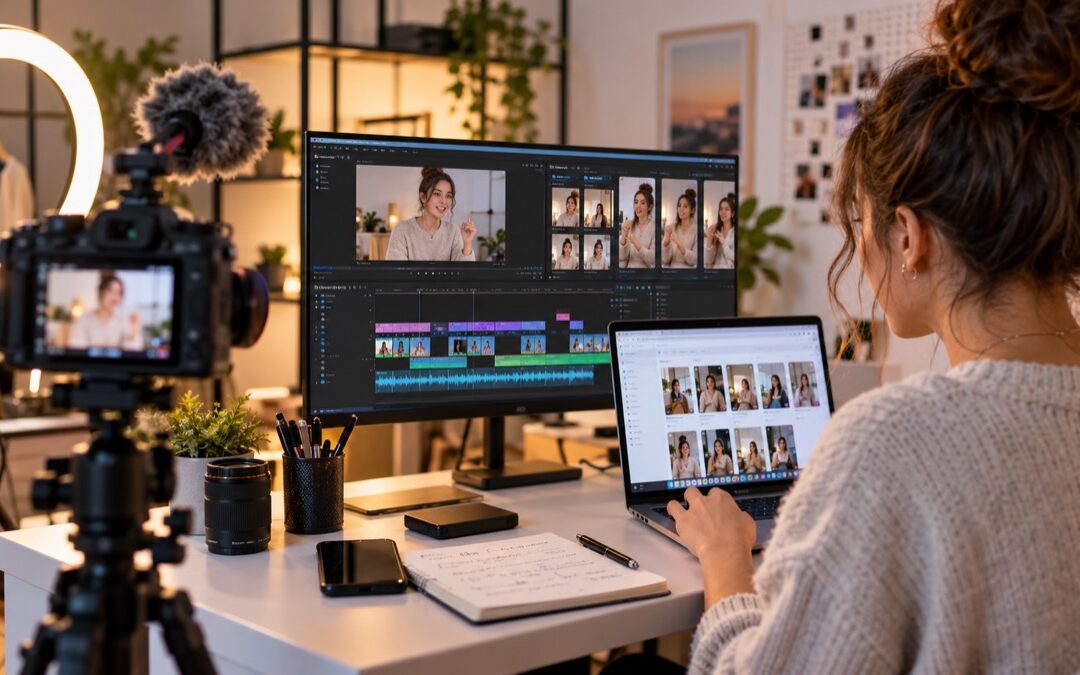
The way people consume content has changed. While long-form videos, podcasts, interviews, and livestreams continue to build deeper connections with audiences, most social media platforms now reward shorter, easily consumable formats.
For influencers, this creates both an opportunity and a challenge. A single long-form video can contain dozens of valuable moments, but finding and transforming those moments into short-form content requires time and effort.
Creators who publish consistently need more than just new ideas. They need efficient ways to repurpose existing content into multiple pieces that can reach audiences across different platforms.
A strong content repurposing strategy allows influencers to maximize the value of every recording while maintaining a consistent presence online.
Why Should Influencers Repurpose Long-Form Content?
Creating high-quality content requires significant effort. A podcast episode, interview, livestream, or YouTube video may take hours of planning, recording, and production.
Using that content only once limits its potential.
Repurposing allows creators to turn one piece of content into multiple formats, such as:
- Short-form videos
- Instagram Reels
- YouTube Shorts
- TikTok clips
- Quote graphics
- Blog content
- Newsletter sections
For example, a creator who records a one-hour interview may discover several short clips covering different topics, opinions, or audience questions.
This approach helps creators reach new audiences without constantly starting from zero.
Why Is Turning Long Videos Into Short Clips Challenging?
Although repurposing sounds simple, the process involves several steps.
Creators need to:
- Review the original recording
- Find the most valuable moments
- Remove unnecessary sections
- Adjust the video format
- Add captions and graphics
- Create engaging openings
- Optimize each version for different platforms
For creators producing content regularly, manually completing these tasks can become overwhelming.
The challenge is not only editing. It is identifying which moments are worth turning into separate pieces of content.
Start With Content That Has Repurposing Potential
Not every long-form video will create the same number of short-form opportunities.
Some formats naturally contain more reusable moments.
Examples include:
Podcasts and Interviews
Conversations often contain strong opinions, personal stories, and educational moments that can become standalone clips.
Tutorials and Educational Videos
Long explanations can be divided into smaller lessons or quick tips.
Live Streams
Streams often contain reactions, audience questions, and memorable moments that can work well as short videos.
Product Demonstrations
A longer product explanation can become several clips focusing on different features or benefits.
Planning content with repurposing in mind makes the editing process much easier later.
Identify the Best Moments From Long-Form Videos
The success of a short-form clip often depends on choosing the right moment.
Strong clips usually include:
- A clear insight
- A surprising statement
- A useful tip
- An emotional story
- A strong reaction
- A common audience problem
Creators should focus on moments that can stand alone without requiring viewers to watch the entire original video.
This is where AI-assisted workflows are becoming useful. Instead of manually searching through hours of footage, creators can use technology to help identify important sections and speed up the review process.
How AI Tools Are Helping Creators Repurpose Content Faster
AI is changing the way creators approach content repurposing by reducing some of the repetitive work involved in editing.
AI-powered workflows can assist with:
- Finding important moments
- Organizing clips
- Creating captions
- Adjusting video formats
- Preparing multiple versions
For influencers managing frequent uploads, these improvements can save significant production time.
Tools like invideo editor help creators move from raw footage to finished content by using AI-assisted workflows directly inside an editable timeline. Creators can upload their footage, give instructions on how they want the content structured, and use AI assistance to review clips, identify usable sections, remove unnecessary parts, and create a starting edit that can be refined manually.
This makes it easier for creators to turn long recordings, interviews, podcasts, or campaign footage into platform-ready videos while keeping control over every change made during the editing process.
Adapt Videos for Different Platforms
A common mistake creators make is uploading the exact same video everywhere.
Each platform has different audience expectations.
For example:
YouTube Shorts
Shorts often perform well with quick hooks and direct value.
Instagram Reels
Reels usually benefit from strong visuals, trends, and engaging storytelling.
TikTok
TikTok content often performs well when it feels authentic, conversational, and immediate.
A good repurposing workflow involves adapting content rather than simply copying it.
This may include:
- Changing video length
- Adjusting captions
- Updating the introduction
- Changing the format
- Adding platform-specific calls to action
Add Captions and Visual Elements
Many users watch videos without sound, especially on mobile devices.
Captions help improve accessibility and keep viewers engaged.
Creators can also enhance short-form clips with:
- Highlighted keywords
- Supporting visuals
- Graphics
- B-roll footage
- Transitions
However, editing should support the story rather than distract from it.
The strongest clips usually succeed because of the message first, with editing helping improve clarity and engagement.
Create a Content Repurposing System
Creators who consistently publish content should build a repeatable workflow.
A simple system may include:
Step 1: Record Long-Form Content
Create valuable content through podcasts, interviews, tutorials, or discussions.
Step 2: Identify Repurposing Opportunities
Review the content and mark sections that can work independently.
Step 3: Create Short-Form Versions
Edit clips into platform-specific formats.
Step 4: Schedule and Analyze Performance
Track which clips perform best and use those insights for future content.
Over time, this system makes content creation more predictable and efficient.
How Repurposing Helps Influencers Grow Their Audience
Repurposing is not only about saving time. It also helps creators reach different audience segments.
A viewer may not watch a 60-minute podcast but may engage with a 30-second clip that appears in their feed.
Short-form content can introduce new audiences to a creator’s longer content and encourage deeper engagement.
This creates a content ecosystem where different formats support each other.
Common Mistakes When Repurposing Content
Choosing Clips Without Context
A short clip should still make sense on its own. Removing too much context can confuse viewers.
Focusing Only on Trends
Trends can increase visibility, but valuable insights and authentic stories often create stronger long-term engagement.
Creating Too Many Similar Clips
Publishing repetitive content can reduce audience interest. Creators should focus on variety.
Ignoring Analytics
Performance data helps creators understand which topics and formats connect best with their audience.
The Future of Content Repurposing
As creators produce more content across multiple platforms, efficient repurposing will become increasingly important.
AI will continue helping creators manage the operational side of content production, from finding useful moments to preparing different versions.
However, successful repurposing will still depend on creative judgment. Knowing which moments matter, understanding the audience, and telling compelling stories remain human skills.
Final Thoughts
Long-form content can provide creators with a valuable source of short-form material when approached strategically.
By building a structured repurposing workflow and using the right tools, influencers can create more content without constantly increasing production effort.
The future of creator growth will not only depend on producing more videos. It will depend on making smarter use of the content creators already have.