
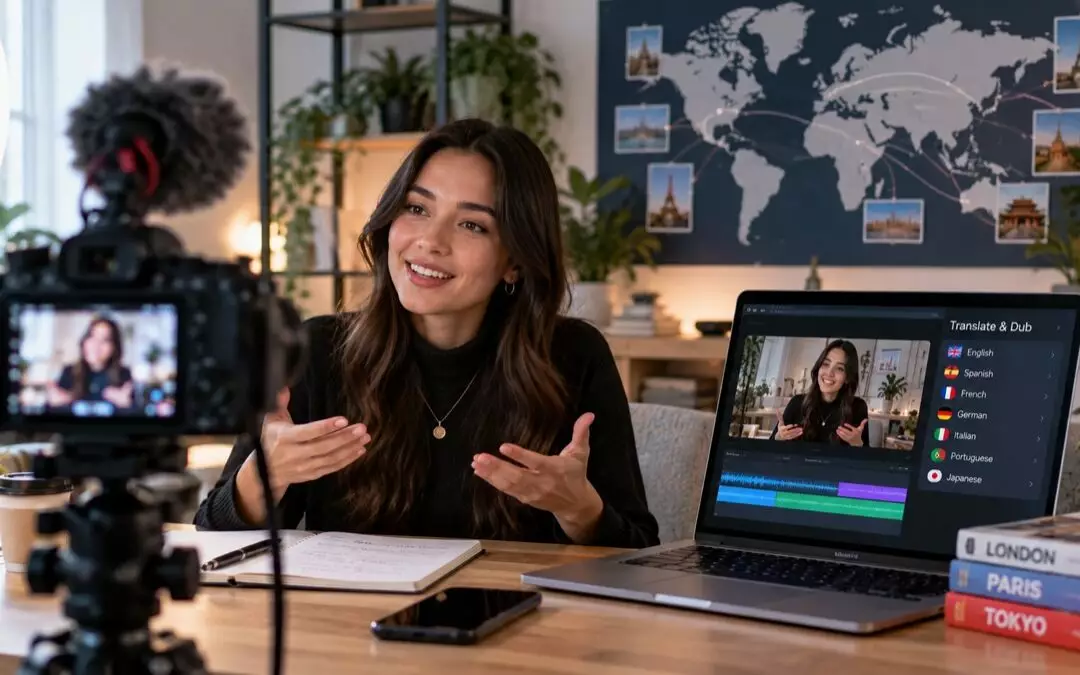
The creator economy is no longer limited by geography. A creator sitting in one country can build an audience across multiple regions, collaborate with international brands, and connect with viewers who speak different languages.
However, reaching a global audience requires more than simply publishing content in another language. Successful creators need to make their content feel natural and relevant to viewers from different backgrounds.
Language, cultural references, communication styles, and audience expectations all influence how people connect with content.
This is where AI-powered content localization is becoming increasingly valuable. By helping creators adapt videos for different audiences, AI is making global expansion more accessible without requiring large production teams or complex workflows.
Why Are Creators Looking Beyond Their Local Audiences?
Social platforms have made it easier than ever for creators to reach people outside their home markets.
A video posted online can potentially be discovered by viewers anywhere in the world. This creates opportunities for creators to:
- Grow larger communities
- Work with international brands
- Increase content reach
- Build stronger personal brands
- Create new revenue opportunities
However, a creator who wants to connect with audiences globally needs to consider whether their content is accessible and understandable to viewers from different regions.
A video that performs well in one market may not achieve the same results elsewhere if audiences cannot fully understand the message.
Why Is Language a Challenge for Global Content?
Language is one of the biggest barriers creators face when expanding internationally.
Adding subtitles is one solution, but it may not always provide the same connection as hearing content in a viewer’s own language.
For example, educational videos, product reviews, tutorials, and storytelling content often depend on tone, emotion, and natural communication.
A direct translation may communicate the words but not always the feeling behind them.
This is why creators are exploring new ways to adapt their videos while maintaining their original personality and message.
How AI Is Changing Video Localization
AI is helping creators simplify parts of the localization process that previously required multiple specialists.
Modern AI tools can assist with:
- Translating video content
- Creating subtitles
- Adapting voiceovers
- Adjusting content for different audiences
- Preparing multiple language versions
This allows creators to experiment with international audiences without rebuilding every piece of content from the beginning.
For example, a creator who makes educational videos can adapt the same content into different languages, allowing more viewers to access the information.
How AI Dubbing Helps Creators Reach New Audiences
Voice plays an important role in building a connection with viewers. A creator’s tone, emotion, and delivery often contribute as much as the words themselves.
With AI-powered solutions, dubbing videos with AI has become easier for creators who want to create localized versions of their content. This can help adapt videos into different languages while maintaining a more natural viewing experience for international audiences.
This can be useful for:
- Educational creators creating multilingual tutorials
- Influencers working with global brands
- Travel creators reaching international viewers
- Businesses collaborating with creators in different regions
Instead of creating separate recordings for every market, creators can explore new audiences more efficiently.
Maintaining Creator Identity Across Languages
One of the biggest concerns with localization is losing authenticity.
Influencers build audiences because of their personality, communication style, and unique perspective. A localized version of content should still feel like the same creator.
Creators should focus on maintaining:
- Their tone of voice
- Their storytelling style
- Their personality
- Their visual identity
AI can help adapt content, but creators should still review the final output to ensure it represents their brand correctly.
Creating Content That Works Across Cultures
Successful global content requires more than translation.
Creators should consider:
- Cultural references
- Humor
- Examples used
- Visual preferences
- Audience expectations
For example, a product demonstration may need different explanations depending on the market. A lifestyle creator may need to adjust references based on regional interests.
Understanding the audience remains one of the most important parts of global content strategy.
How Creators Can Build a Localization Workflow
A structured workflow makes global content expansion easier.
A simple process can include:
Step 1: Identify Content With Global Potential
Not every video needs localization. Creators should start with content that already performs well or addresses universal topics.
Examples include:
- Tutorials
- Educational videos
- Product explanations
- Reviews
- Industry insights
Step 2: Choose Target Markets
Creators should focus on audiences where their content has potential rather than trying to localize everything at once.
Factors to consider include:
- Audience interest
- Market demand
- Language opportunities
- Brand partnerships
Step 3: Adapt the Content
This may include:
- Translating captions
- Creating localized voice versions
- Adjusting examples
- Updating descriptions
Step 4: Analyze Performance
Creators should monitor how different audiences respond and improve future content based on results.
How Brands Benefit From Localized Creator Content
Global brands often work with creators because they can connect with specific communities more authentically than traditional advertising.
Localized creator content helps brands:
- Reach new customer groups
- Build trust in different markets
- Communicate products more effectively
- Create more personalized campaigns
For brands working with multiple creators across regions, localization can make campaigns more consistent while still allowing creators to maintain their own style.
The Role of AI in Scaling Creator Workflows
As creators expand globally, managing content production becomes more complex.
A single campaign may require:
- Multiple languages
- Different video formats
- Regional versions
- Platform-specific edits
AI tools can help reduce the operational workload by supporting content adaptation and production tasks.
For creators producing large amounts of video content, AI-assisted editing workflows can also make it easier to organize footage, create variations, and prepare content for different audiences.
Tools such as invideo Editor can support creators by helping them refine video content through an editable timeline, making it easier to manage revisions and prepare different versions while keeping creative control.
Challenges of Using AI for Global Content
While AI makes localization easier, creators should still consider a few challenges.
Maintaining Accuracy
Translations should be reviewed to ensure they communicate the intended meaning correctly.
Protecting Authenticity
Overly automated content can feel disconnected from the creator’s original personality.
Understanding Cultural Differences
Successful global content requires awareness of local preferences and expectations.
Balancing Speed and Quality
Creating more versions should not come at the cost of lowering content quality.
The Future of Global Creator Content
As AI technology improves, creators will have more opportunities to connect with audiences worldwide.
The future of creator growth will likely involve more personalized and localized content, allowing influencers to build communities beyond their original regions.
However, technology alone will not create successful global creators. The strongest international communities will still be built through authenticity, storytelling, and genuine audience connection.
Final Thoughts
Building a global audience requires more than translating content. Creators need to understand different audiences, adapt their communication style, and maintain the authenticity that made people follow them in the first place.
AI-powered localization is making this process more accessible by helping creators adapt videos, reach new viewers, and explore international opportunities.
For influencers looking to expand beyond their local markets, combining creative storytelling with smarter technology can open the door to a truly global audience.